





Your engineers already use coding agents. Do they use them the same way?
AI tooling for engineering teams is one hands-on day in your own repository. A senior engineer who uses coding agents daily works three of your real tickets with your team, live, and shows where agents fail. You leave the same day with a team playbook: where to use agents, how to review their code, and how to keep spend under control.
- Full day
- Up to 12 engineers
- On site or remote
Written for your repo.
Who is this for?
CTOs and engineering leads of three to twelve developers who use AI coding agents, just not in the same way.
Does any of this sound familiar?
- One engineer ships twice as fast and nobody is sure the code is right.
- Another refuses to touch the tools.
- The bill went up last month and no one can say what it bought.
Not the right fit if
-
You want us to build something
Product Discovery Workshop -
Your team has not tried coding agents
What happens in the room?
- Part 1
We start with how your team uses agents today and what has already gone wrong. We add what published research says about quality and cost risk, so the room has a shared baseline.
- Part 2
Then we take three real tickets from your backlog, a small one, a medium one and a larger one, and work them with the agent on a sandbox branch of your repository. Planning, generation, review and tests, all live. Your engineers see where the agent is good, where it confidently gets things wrong, and what a reviewer has to catch.
- Part 3
After lunch we build the review habit: what to check in generated code, how to keep architecture decisions with people, and how to measure whether it is working. Then spend: usage-based pricing, caps, and what should and should not run in the background. In the last hour, the team writes its playbook with us. On-site it is one full day. Remote, it is two sessions of just over three hours on consecutive days.
What do you leave with?
You leave with a team playbook, finished before the end of the day. It sets out which kinds of work agents lead, which they assist and which stay human. It includes a review checklist for generated code, spend controls your team agreed, and a 30-day adoption plan with owners.
The playbook is written with your team, in their words, from what happened on their own tickets. It is not a vendor's best practice guide. It works with the tools you already use, and we do not recommend any vendor.
Want this for your team? Book this workshop
Team playbook
Team playbook: agent usage guidelines, a review checklist for generated code, spend controls and a 30-day adoption plan. Delivered the same day
What do we need from you beforehand?
Three things. A sandbox branch of a real repository, with access for our engineer. A list of the agent tools your team uses today. And three real tickets of different sizes that you would happily see done.
Before the day we agree in writing which agent tools may touch the code. We work on the sandbox branch only, with no production secrets, and your code does not leave your accounts beyond what your own agent tools already do.
In the room we need whoever decides how the team works, whoever approves merges to main, and the engineers who will use the agents. One person can cover more than one of those. Whoever holds the tooling budget should join for the last two hours. Up to 12 engineers can join.
Up to 12 engineers
- The engineers who will use them
- Whoever reviews their code
Where does the work live afterward?
Everything happens in your UnflowHub™ workspace: the pre-work, the tickets we worked through, the review checklist and the playbook. The checklist stays reusable, so every pull request can carry it. Your team keeps access afterward, and the 30-day plan lives there with its owners and dates.
See how UnflowHub™ works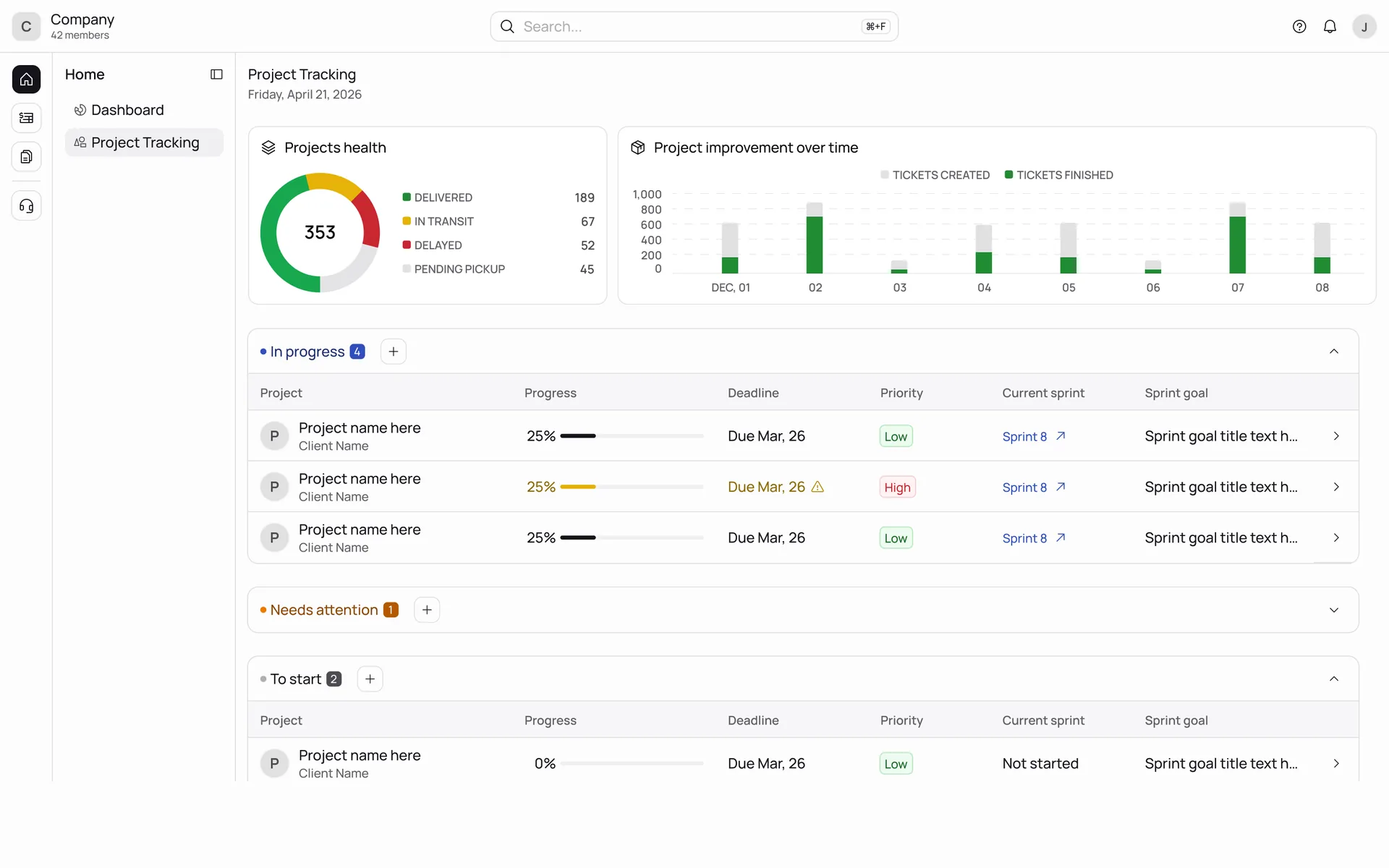
What’s the investment? How is it paid?
$7,500
$6,000
Per cohort, not per seat. Up to 12 engineers
$7,500 with the year-end offer, per cohort, up to 12 engineers
- Applies to One workshop, booked by December 15 and delivered by March 31
- BundlesWhichever is better. We never go past 25% off
- To book 50% on booking, 50% when we deliver the written output
- What you keep The written output is yours, whatever you do next
- Travel On-site anywhere in the US, in Portugal, and in Europe as far as the Netherlands. Travel is free within 50 miles of Dallas or Austin and 31 miles of Porto. Farther away, it is a fixed fee by distance, shown before you book.
Paid, and the date is held. A confirmation is on its way by email.
Payment was not completed, so nothing has been charged. Your request still reached us. Pick the slot again below, or we will send an invoice.
Your bank has not answered yet. Nothing has been charged and the date is not held until it clears, usually within a few minutes. We will email you either way.
Book it
Pick a slot, and pay the first half.
$3,750 now, $3,750 when we deliver the written output. If none of these times suit, say so and we offer two or three dates within four weeks.
Stripe handles the card, so we never see the number. The date is held once the deposit clears.
Year-end offer: for a session on or before March 31, both halves are 20% less. Checkout shows the offer price.
- Day
- Time
- Details
What happens after?
In 30 days we ask one question: is the playbook in use?
Questions people ask.
Which coding agents do you use?
Yours. We work with the tools your team already has and adapt the playbook to them. We do not recommend vendors, and we do not resell any.
Does our code leave our accounts?
Not beyond what your agent tools already do. We work on a sandbox branch, with no production secrets, using only the tools we agreed in writing before the day.
What if some engineers have never used an agent?
That is common. The first hour starts from where each person is, and the worked tickets are done in pairs, so nobody watches from the back.
Can our IT lead build this with AI coding tools instead?
Possibly, and this one-day training is how we help them use those tools well. If you later want a second opinion on what they build, the Architecture and Security Review is the next step.
Remote or on-site?
Either. On-site is one full day. Remote is two sessions of just over three hours on consecutive days. On-site is available anywhere in the US, in Portugal and in Europe as far as the Netherlands, with any travel fee shown before you book.
What if we have more than 12 engineers?
We run a second group on another day at the same price, rather than crowd the room. Both groups feed the same playbook.
Will this make our engineers faster?
Usually on some kinds of work, and not on others. The day is about knowing which is which and keeping quality up while you find out. We do not promise a number.
Do you use AI to write the playbook?
We may use AI to help draft it. A named person writes and checks it, with your team, and no client data goes to tools outside what we agreed.
Who owns the playbook?
You do. We keep our method and templates; the playbook and checklist are yours to change and share.
How is this different from AI for operations teams?
This one is for engineers working in code. AI for operations teams is for the people who run the business, working on their weekly tasks. Book both together and it’s 15% off, like any two workshops.
Get your team reviewing AI code the same way.
One day, your repository, three of your tickets, and a playbook your team wrote itself.