





Custom software studio
No product on the market fits how you actually work.
Maybe you’ve outgrown the software you bought, or your process never fit one in the first place. Either way, the gap usually gets filled by people copying things between spreadsheets. We build the software that lets your team work the way they want to.
What you’d be investing in.
Most projects turn out to be two or three of these at once. Not sure which ones you need? Answer a few questions about how you work, and we’ll tell you which way we’d go. Take the build-or-buy check
Web applications
The screen your operations team lives in all day, built so they can work the way they want to.
How one is built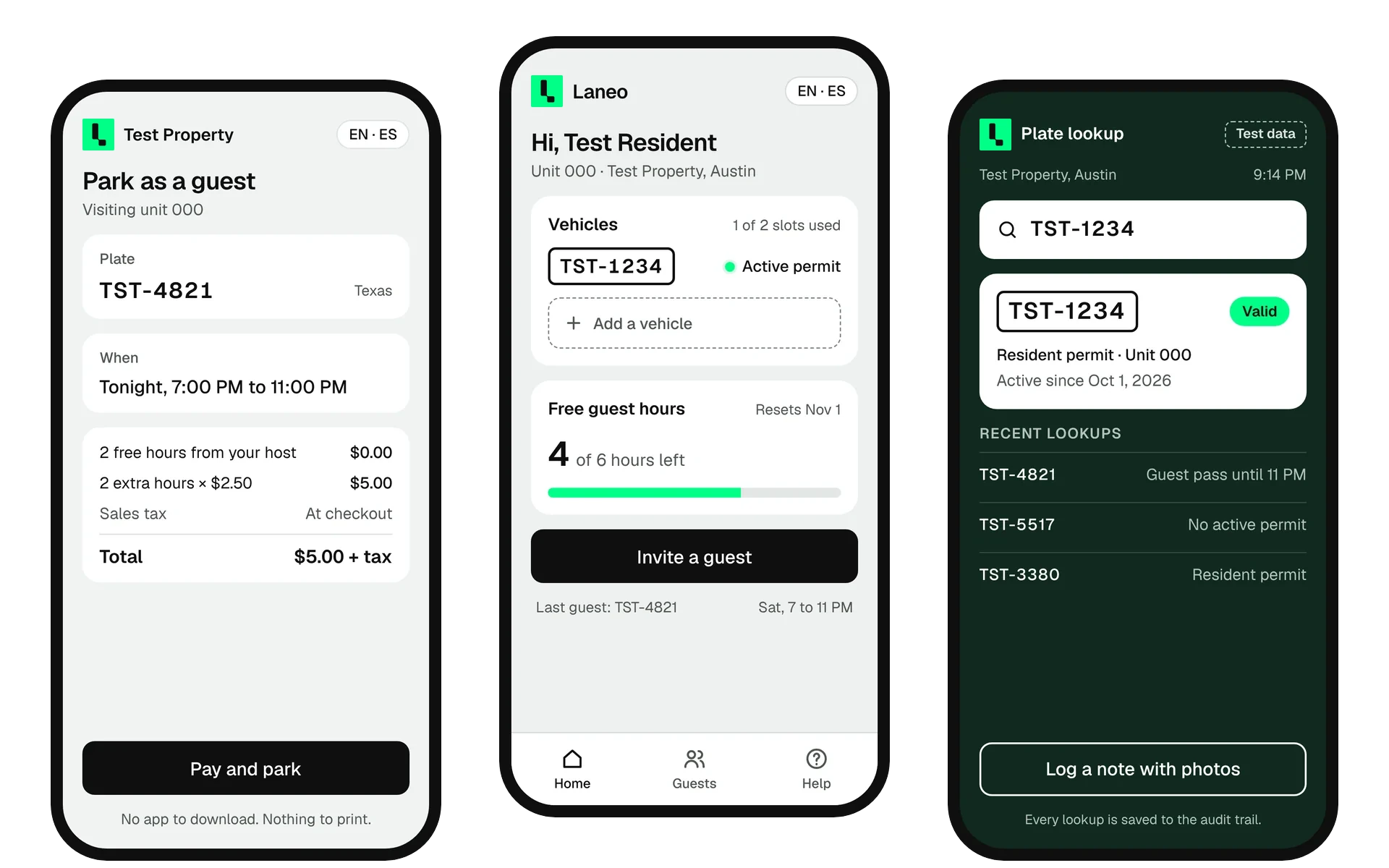
Mobile apps
For the people doing the job away from a desk, and it still works where the signal doesn’t.
How one is built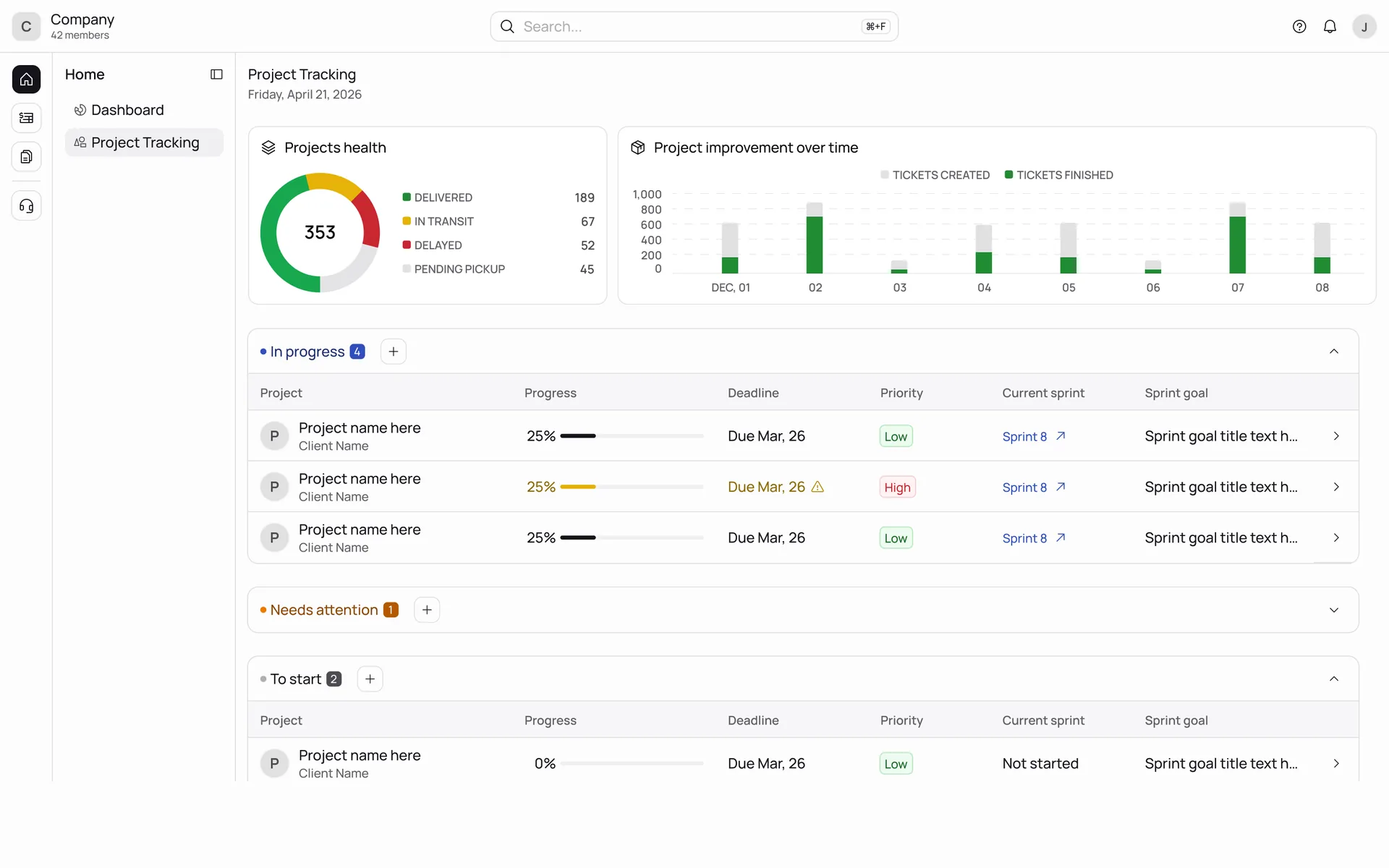
Internal portals
One login for your staff, your partners and your suppliers, on top of the systems you own.
How one is builtIntegrations
Two or more systems made to agree, so the glue between them stops being a person with multiple screens open.
How one is built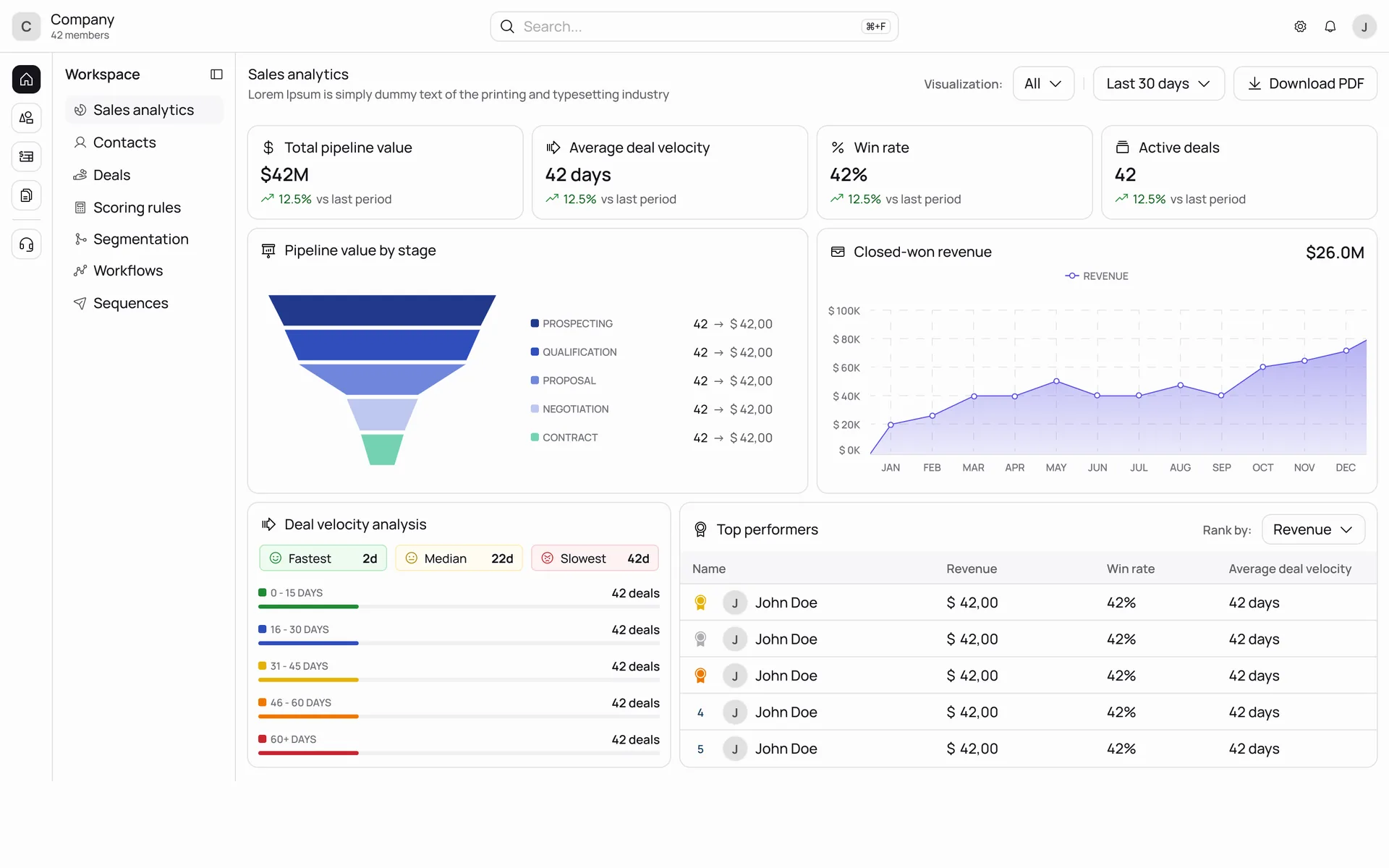
Business intelligence
Numbers the team can trust to make decisions, instead of three spreadsheets and a meeting about which path is right.
How one is built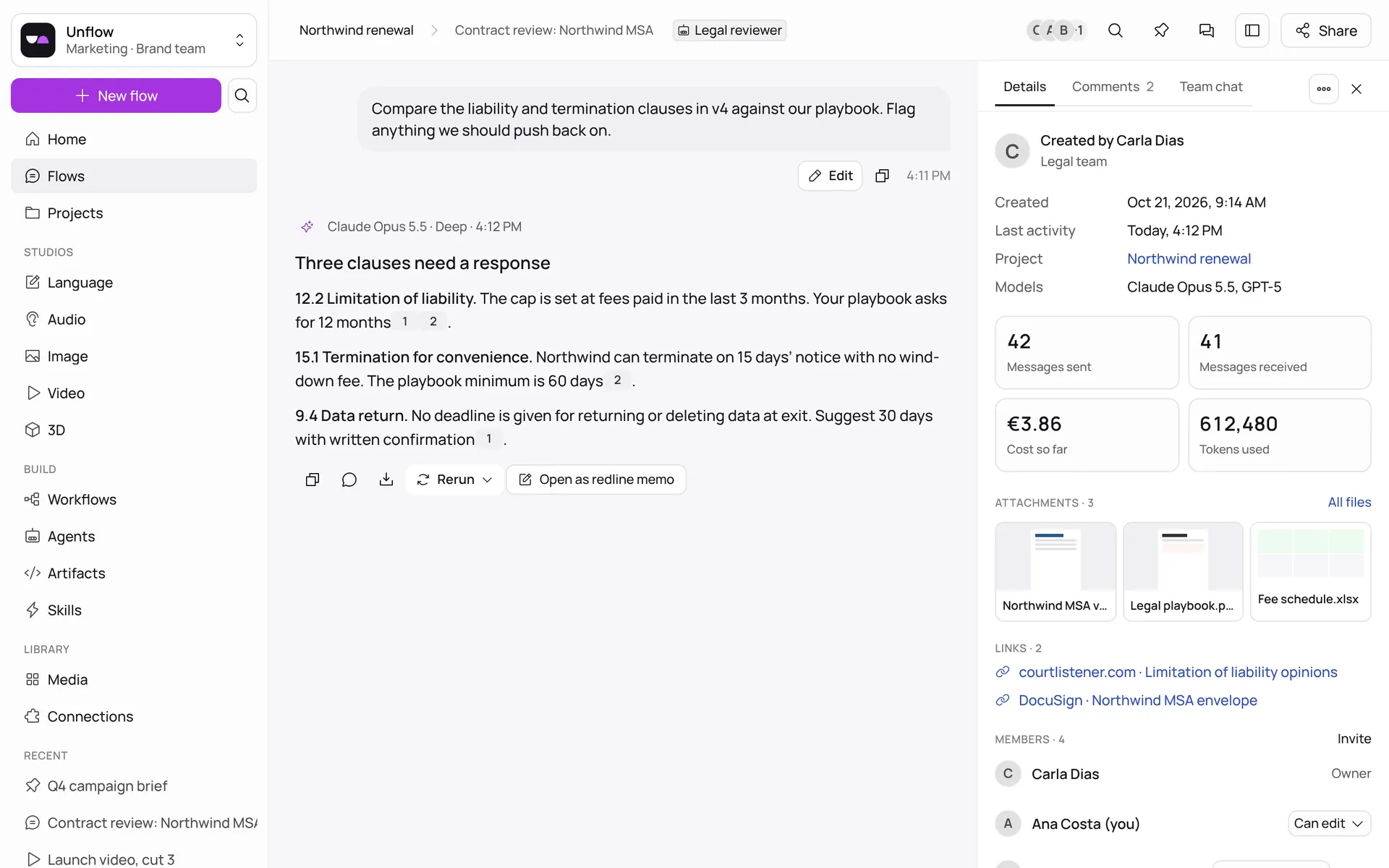
Chat and AI
An assistant that answers in your voice, knows when to call a human, and won’t invent an answer.
How one is builtWhat a first build looks like.
We agree the scope first. Then you’ll see working software at every demo, and we’ll offer to keep it running once it’s live.
- Week 0 Product Discovery
Your team and ours. You leave with a scoped backlog, an estimate and a price we’ll hold. Start the build within 30 days of the workshop and the fee comes off it.
- Eight to sixteen weeks, for most first builds Two-week sprints
One person to talk to, in a channel you’re both in. Every change is read by a second engineer and tested before it reaches you.
- Every 2 to 3 weeks A demo of working software
You bring the person who decides. We bring the engineers who built it. No slides, just a demo of what we built.
- Launch Review, documentation, handover
We hand over the documentation and every account and credential that’s yours.
- After Ongoing support
A maintenance retainer is in every proposal we write. Or a standing team, if the backlog keeps growing.
One shared channel, with both teams in it.
So nobody has to wait for a status meeting to find out what’s happening.
Your side
- The person who decides Signs the proposal, attends demos
- The person who runs the process Answers questions within a day, tests each sprint
- Your IT lead Access, hosting, the security call before sprint one
Our side
- Your project manager One name, replying within one business hour
- At least two engineers and a designer The same people from Product Discovery to launch
- A founder In Product Discovery, at every demo, on the phone when needed
Find the one that looks like yours.
Logistics
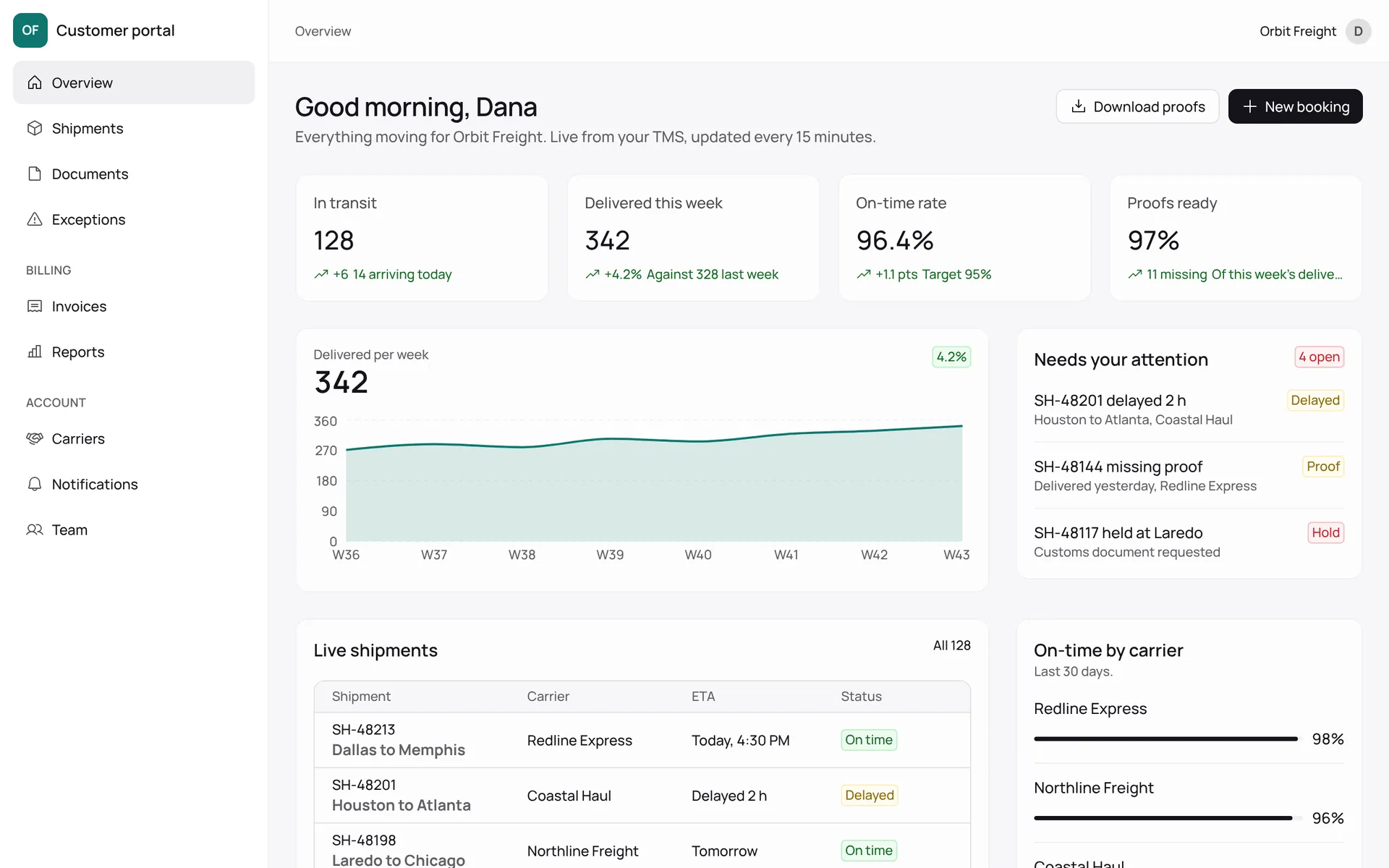
A customer portal that replaced the weekly status email.
Education
AI tutoring trained on the UK curriculum for Key Stages 3 and 4.
Insurance
Document intake that reads carrier forms without a person.
One page for your CTO or IT lead, before the first sprint.
Read the security summary- Access Per-person credentials, removed the day we finish
- Review Pull-request review on every change
- Testing Automated tests, CI and review apps
- Licensing Our tools inside your build come with a permanent license
- SOC 2 In progress
- ISO 27001 In progress
Questions buyers ask first.
What’s the smallest project you take?
$5,000. Below that, a workshop is usually the better first step.
How do you arrive at a price?
Not by the hour. Your scope decides the price, and we agree it before getting started. It holds unless you change the scope.
Do you replace the software we already use?
Rarely. Most of what we build sits on top of your CRM, ERP or TMS and fills the gaps between them. Sometimes replacing it is the right call. Finding that out is what the workshop is for.
Who owns the code?
It’s agreed in your contract before we start. We keep UnflowUI™ and our tooling, and you get a permanent license to use them inside what we built.
What happens after launch?
A maintenance retainer is in every proposal, scoped to your system. You can decline it in writing.